Essential Safety Equipment for Home Electrical Compliance
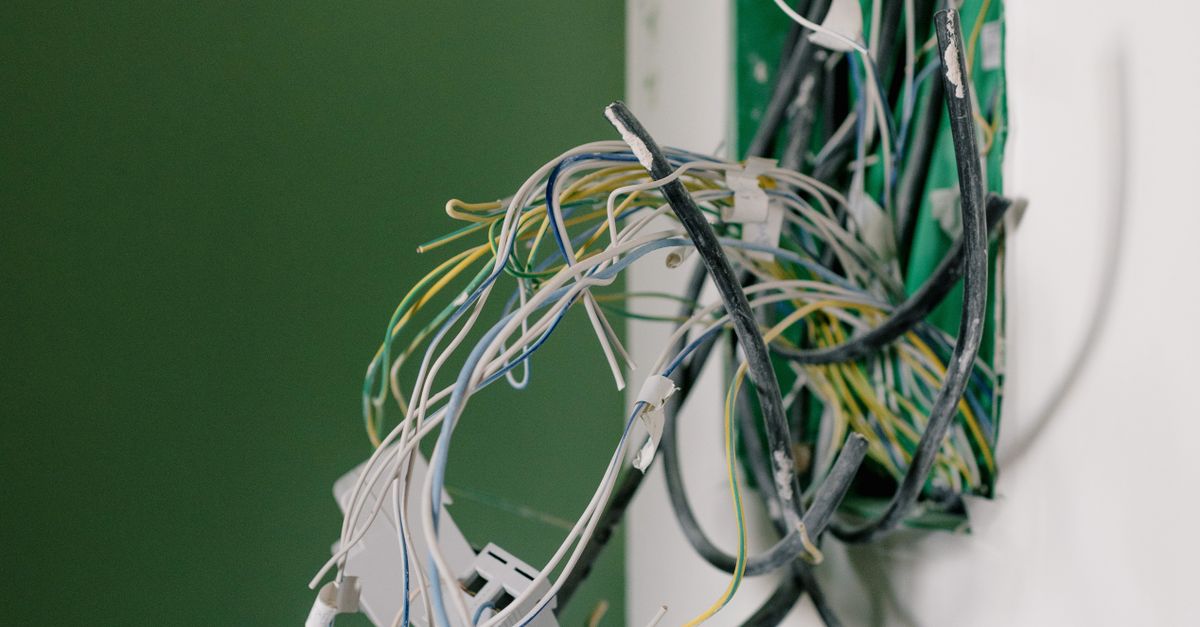
Table Of Contents
Surge Protectors
Surge protectors play a crucial role in safeguarding your home electronics from voltage spikes. These devices act as a barrier, absorbing excess energy before it can reach your devices, which is particularly important during thunderstorms or power fluctuations. Investing in high-quality surge protectors can extend the lifespan of sensitive electronics such as computers, televisions, and gaming systems.
When choosing a surge protector, consider both the joule rating and the number of outlets it provides. A higher joule rating indicates better protection against surges. Look for models that include features like thermal fuses or automatic shutdown functions, which can offer added safety. Regularly check your surge protectors for any signs of damage or wear, as older units may no longer provide efficient protection.
Protecting Your Home Electronics
Home electronics are valuable investments that can be vulnerable to fluctuations in electrical supply. Surges can occur due to lightning strikes, power outages, or issues with the electrical grid. Installing surge protectors provides a crucial layer of defense, absorbing excess voltage and preventing damage to devices such as televisions, computers, and gaming consoles.
When selecting surge protectors, it is important to consider their features. Look for models with a high voltage rating and built-in indicators that show when protection is active. Additionally, multi-outlet surge protectors often come with USB ports for charging mobile devices, making it easier to safeguard electronics in one central location. Investing in quality surge protection can extend the lifespan of your electronics and save you money in repairs or replacements.
Electrical Outlets and Cover Plates
Properly installed electrical outlets are crucial for the safe functioning of any home. They must comply with local codes and standards to ensure safety and mitigate risks such as electrical shocks or fires. It's important to choose outlets that suit your specific needs, including the right amperage and features such as ground fault circuit interrupter (GFCI) outlets for areas exposed to moisture. Regular inspections can help identify problems before they escalate into dangerous situations.
Cover plates play a vital role in protecting the internal components of outlets while also contributing to the aesthetic appeal of your home. Selecting the right cover plates can further enhance safety, especially with options designed to be childproof. These plates should fit securely to prevent any accidental exposure to live wiring. Regular maintenance and timely replacement of damaged or outdated cover plates will help maintain a safe environment for all household members.
Selecting Safe and Childproof Options
When it comes to ensuring safety in homes, particularly those with young children, choosing the right electrical outlets is crucial. Tamper-resistant outlets are an excellent option as they include a built-in shutter mechanism. This design prevents foreign objects from being inserted into the outlet, significantly reducing the risk of electric shock. Such features are essential in areas where kids are most likely to explore and play, providing peace of mind for parents.
In addition to tamper-resistant outlets, childproof cover plates can offer an extra layer of safety. These cover plates are designed to secure outlets and prevent accidental access. They are also available in various designs and colors, allowing for aesthetic integration with home decor. Ensuring that the installation of these outlets and covers is done correctly further enhances safety, making home environments safer for children.
Wiring and Cables
Electrical wiring and cables serve as the backbone of any home’s electrical system. They deliver power throughout the house, connecting various appliances and devices to the main supply. It is crucial to ensure these components are installed correctly and adhere to local electrical codes. Over time, wear and damage can occur, leading to potential safety hazards such as electrical shorts or fires. Regular inspections help identify issues like frayed insulation or exposed wires, which should be addressed immediately to maintain a safe environment.
When inspecting wiring and cables, look for signs of aging and deterioration. Discoloration, cracking, or any unusual bulges could indicate that the wiring is compromised. Additionally, any unusual odors from outlets or devices may signify overheating or electrical faults. Understanding these warning signs enables homeowners to take proactive steps in addressing problems before they escalate, ensuring both safety and compliance with electrical regulations.
Recognizing Signs of Wear and Damage
Regularly inspecting wiring and cables is crucial for maintaining electrical safety in the home. Look for frayed ends, exposed wires, and discoloration, as these are indicators of potential hazards. Additionally, pay attention to any insulating material that appears brittle or cracked. These signs may suggest that the wiring is aging or damaged, which could lead to short circuits or electrical fires if not addressed.
Another important aspect is ensuring that connections remain secure. Loose connections can generate heat, increasing the risk of burns or fires. Check for any burning odors, which often indicate overheating, or flickering lights, which are symptomatic of faulty wiring. If any of these issues arise, seeking professional assistance is a necessary step to ensure both compliance and safety within the home.
FAQS
What are surge protectors and why are they important?
Surge protectors are devices that protect your electronic equipment from voltage spikes by diverting excess electricity away from connected devices. They are essential for safeguarding valuable electronics like computers and televisions from damage caused by power surges.
How do I choose the right surge protector for my home?
When selecting a surge protector, look for one with a high joule rating, which indicates how much energy it can absorb. Additionally, consider features like multiple outlets, noise filtering, and response time to ensure comprehensive protection for your devices.
What types of electrical outlets should I install for safety?
It’s recommended to use outlets that are tamper-resistant, especially in homes with young children. GFCI (Ground Fault Circuit Interrupter) outlets are also essential in areas like kitchens and bathrooms where water is present, as they can prevent electric shocks.
How can I make my electrical outlets safer for children?
To make electrical outlets safer for children, consider installing tamper-resistant outlets that prevent foreign objects from being inserted. Additionally, using outlet covers or plugs can provide an extra layer of protection.
What are the signs that wiring and cables need to be replaced?
Signs that wiring and cables may need replacement include frayed or damaged insulation, discolored or burnt areas, frequent tripping of circuit breakers, or a burning smell. If you notice any of these signs, it is crucial to consult a licensed electrician for further assessment.
Related Links
Best Practices for Maintaining Electrical Compliance in Your HomeThe Role of Safety Inspections in Preventing Electrical Hazards