The Role of an Electrician in Wiring Installations for Homes
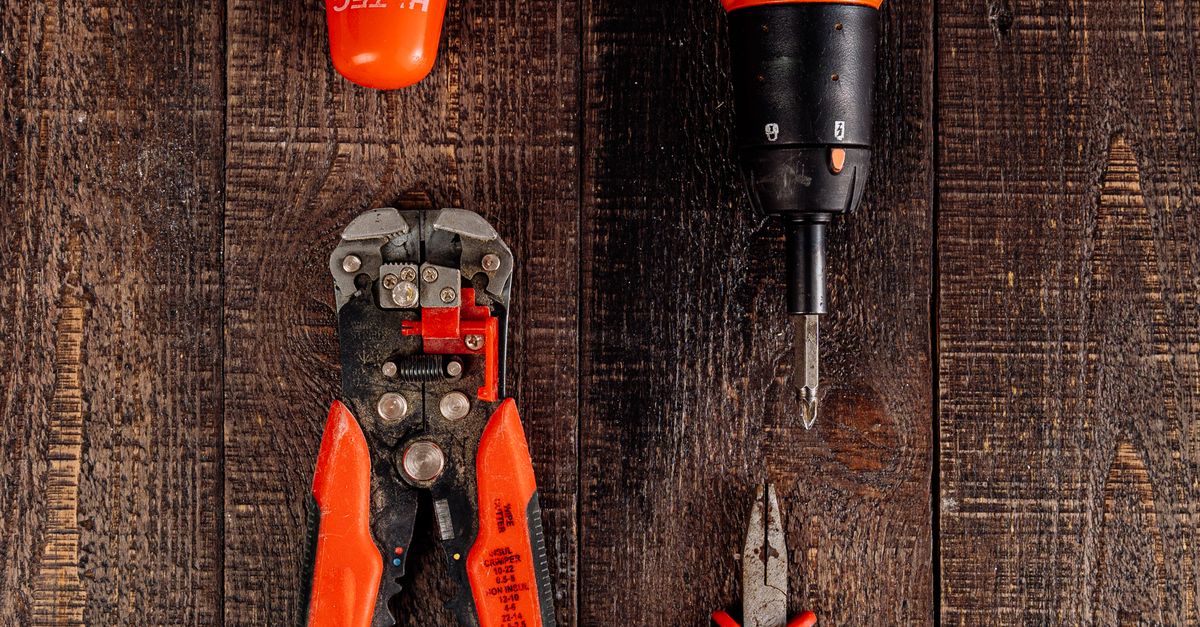
Table Of Contents
Tools of the Trade for Electricians
A reliable set of tools is essential for any electrician to ensure effective and safe wiring installations. Standard tools include wire strippers, screwdrivers, and pliers, which assist in various tasks such as stripping insulation from wires and tightening connections. Safety equipment, including insulated gloves and goggles, is equally important, protecting electricians from electrical hazards during their work.
In addition to basic hand tools, more specialized equipment plays a vital role in modern electrical installations. Multimeters are essential for measuring voltage, current, and resistance, allowing electricians to diagnose issues accurately. Circuit testers help identify live wires and ensure proper connections, improving overall safety. Many electricians also utilize power tools like drills for creating holes in walls and ceilings, enhancing efficiency in wiring projects.
Essential Equipment for Wiring Projects
Electricians rely on a variety of essential equipment to ensure wiring projects are completed efficiently and safely. Wire strippers, pliers, and screwdrivers are fundamental tools that allow for precise handling of electrical components. Additionally, multimeters are crucial for measuring voltage, current, and resistance, enabling electricians to troubleshoot and verify the integrity of connections. Circuit testers help confirm power availability in outlets and fixtures, which is vital for preventing mishaps during installations.
Other important equipment includes fish tapes, which facilitate the pulling of wires through walls and conduits. Electrical tape is essential for insulation and securing connections, promoting safety and preventing short circuits. Safety gear, such as gloves and goggles, adds an extra layer of protection while handling potentially hazardous materials. Having this equipment organized and accessible not only enhances productivity but also ensures compliance with safety regulations in the field.
Troubleshooting Wiring Issues
Identifying wiring issues often begins with observing the symptoms. Flickering lights can signal loose connections or a failing fixture. Overheating outlets might indicate improper wiring or usage beyond the outlet's capacity. Gathering these clues is essential for effectively diagnosing the problem. Testing tools, such as a multimeter, provide further insight into voltage levels and circuit functionality, helping to pinpoint faults more accurately.
Once potential issues are identified, the electrician can employ several troubleshooting methods. Checking circuit breakers for tripped switches can quickly determine if the system is overloaded. Inspecting wire connections ensures that they are tight and free from corrosion. In cases of persistent problems, more extensive tests, like tracing wire paths back to the main panel, may be necessary to uncover deeper issues that standard checks might miss.
Identifying Common Electrical Problems
Recognizing electrical issues early can prevent hazards and costly repairs. Flickering lights often indicate loose wiring or an overloaded circuit. Overheating outlets may signal poor connections or faulty devices, which can pose fire risks. If a circuit breaker trips frequently, it suggests an overload or a short circuit in the system. These symptoms should be investigated promptly to ensure safety and functionality.
Another common problem is a persistent buzzing sound coming from outlets or switches. This could mean that the wiring is damaged or that a fixture is malfunctioning. Homeowners should also be aware of any signs of burning smells, which can indicate overheating insulation or electrical shorts. By being vigilant about these signs, homeowners can maintain a safer environment and avoid more significant issues in the future.
Energy Efficiency in Wiring
Implementing energy-efficient wiring practices can significantly reduce electricity consumption in homes. Using high-quality materials and appropriate wiring methods improves efficiency and helps to minimize energy loss. For instance, copper wiring is often favored due to its lower resistance, promoting better energy flow. Furthermore, smart home systems can enhance energy management by allowing homeowners to control their electrical use more effectively.
Incorporating energy-efficient appliances and lighting also plays a crucial role in optimizing electrical systems. Using LED bulbs instead of traditional incandescent lights consumes less power and has a longer lifespan. Homeowners should consider proper insulation and energy-efficient circuits that can further reduce energy waste. Regular maintenance of the electrical system ensures all components work efficiently, contributing to overall energy savings.
How to Optimize Your Home's Electrical System
Optimizing your home's electrical system starts with a thorough assessment of energy consumption. It is essential to identify the appliances and devices that use the most electricity. Upgrading to energy-efficient appliances can significantly reduce the overall energy load. Additionally, using smart power strips can help mitigate phantom loads by cutting off power to devices that are not in use. Ensuring that your home is well-insulated also plays a crucial role in minimizing energy waste, as it prevents unnecessary heating and cooling demands.
Routine maintenance is another key component in enhancing electrical system efficiency. Regular inspection of wiring and connections ensures that any potential issues are addressed before they escalate into larger problems. Investing in LED lighting not only brightens spaces effectively but also consumes a fraction of the energy compared to conventional bulbs. Furthermore, utilizing timers and dimmer switches can help regulate usage, allowing homeowners to take control of their energy consumption and contribute to overall efficiency in the home.
FAQS
What qualifications should I look for in an electrician for home wiring installations?
When selecting an electrician, look for licensing, certification, and experience in residential wiring projects. It's also helpful to check for insurance and references from previous clients.
How can I identify if there is a wiring issue in my home?
Common signs of wiring issues include flickering lights, frequent circuit breaker trips, unusual odors, and the presence of sparks or warm outlets. If you notice any of these, it's important to contact a professional electrician.
What are the most common electrical problems that electricians encounter?
Electricians frequently deal with issues such as overloaded circuits, faulty wiring connections, outdated electrical panels, and faulty outlets or switches.
How can an electrician help improve my home's energy efficiency?
An electrician can optimize your home's electrical system by upgrading outdated wiring, installing energy-efficient fixtures, and suggesting smart home technology that can help reduce energy consumption.
Is it safe to perform wiring installations without a professional electrician?
While some minor electrical tasks can be done by homeowners, significant wiring installations or repairs should always be handled by a licensed electrician to ensure safety and compliance with local codes.
Related Links
Cost Factors to Consider for Residential Wiring ServicesInnovations in Wiring Technology for Modern Homes