Upgrading Your Office Data Cabling for Enhanced Connectivity
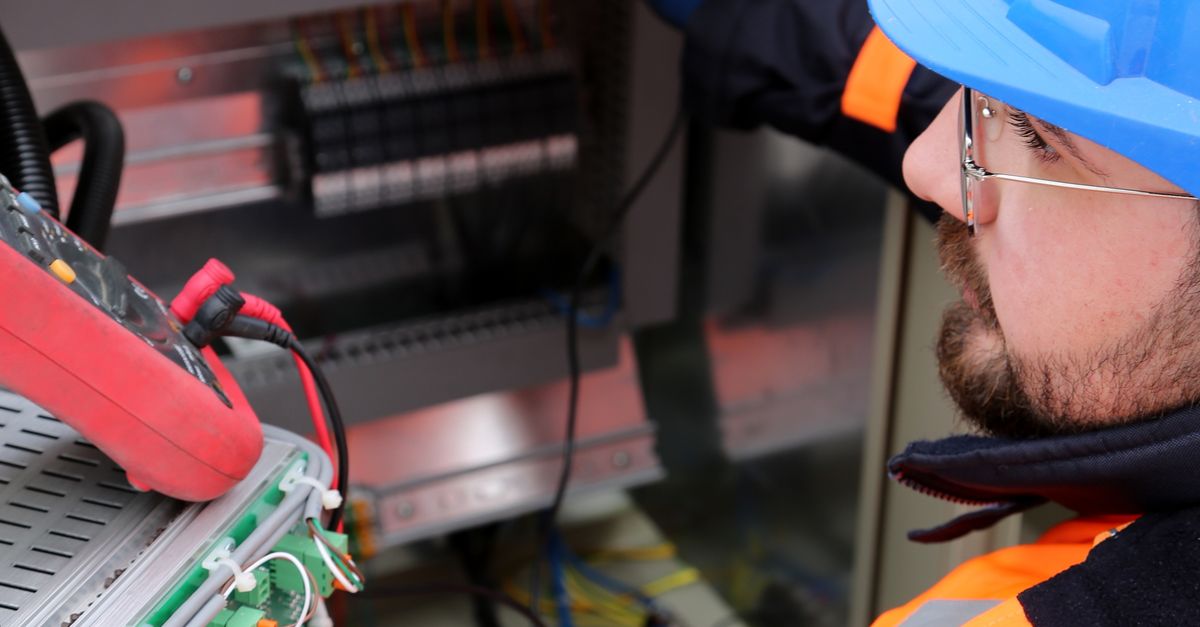
Table Of Contents
Installation Process for New Data Cabling
The installation of new data cabling requires careful planning and execution to ensure optimal performance. Begin with assessing the layout of the office space, taking note of any obstacles that could interfere with cable routing. This includes identifying areas for network switches and patch panels. It may also be wise to involve IT professionals who can provide insights on future scalability needs. Marking cable pathways helps visualize the project and assists in securing permits, if necessary.
Once the planning phase is complete, the actual installation can begin. Start by running cables along the designated pathways, ensuring they are neatly secured and protected from potential damage. Proper techniques such as keeping cables organized in racks and avoiding interference from electrical lines can improve signal integrity. After completing the physical installation, connecting the cables to the appropriate devices and testing connectivity for consistency and speed is essential. This thorough approach helps to mitigate issues that could arise from improper installation practices.
Steps to Ensure a Smooth Installation
Proper planning is essential for an efficient installation of data cabling. Begin with a thorough assessment of the office space to determine the most effective routes for the cables. This involves considering the layout of desks and equipment, as well as potential obstacles such as walls and other infrastructure. Collaborating with IT professionals can help identify optimal pathways, ensuring both accessibility and performance. Additionally, having a detailed map of the installation plan can minimize disruptions during the process.
Communication among the installation team members is crucial. Designate a project manager to oversee the installation and coordinate efforts among technicians. Conducting brief daily meetings can help address any issues that arise and keep everyone on the same page. Moreover, regularly checking the installation against the initial plan can help ensure adherence to timelines and specifications. This proactive approach allows for quick adjustments, facilitating a smoother installation process overall.
Testing and Certification of New Cabling
When new data cabling is installed, it’s essential to conduct thorough testing to ensure that the installation meets performance standards. This involves using specialized equipment to check for various parameters like signal integrity, attenuation, and crosstalk. Each cable run should be tested individually to identify any potential issues that could affect network performance. Comprehensive testing not only safeguards against malfunctions but also helps in determining whether the cables are capable of handling the required bandwidth.
Certification of the cabling system is a crucial step following the testing phase. A qualified technician should provide documentation confirming that the installation meets the specified standards, such as TIA-568 or ISO/IEC 11801. This certification serves as proof that the cabling is reliable, efficient, and designed for optimal performance. Additionally, it can be beneficial during future audits or upgrades, as having certified cabling simplifies the process of verifying compliance with industry norms.
Ensuring Compliance with Industry Standards
Adhering to industry standards is critical during the installation of new data cabling. These standards, established by organizations such as the Telecommunications Industry Association (TIA) and the Institute of Electrical and Electronics Engineers (IEEE), provide essential guidelines to ensure reliable performance and safety. Compliance involves selecting the right cable type, ensuring proper installation techniques, and validating the system's ability to handle the required bandwidth. Following these guidelines not only helps in achieving optimal data transmission speeds but also mitigates potential risks associated with electrical interference and physical damage.
Certification processes play a vital role in confirming that the installed cabling meets established standards. After installation, testing is necessary to validate performance metrics such as attenuation, crosstalk, and overall signal integrity. Employing qualified professionals to conduct these tests ensures that the cabling infrastructure operates efficiently. Keeping proper documentation of the certification process provides a useful reference for future maintenance and upgrades, helping to maintain compliance with evolving industry standards.
Maintenance of Data Cabling
Regular maintenance of data cabling is essential for sustaining performance and longevity. It is important to inspect cables for signs of wear, damage, or interference. Cleaning connectors and ensuring proper cable management can prevent issues related to connectivity. This includes avoiding sharp bends or excessive tension, which can compromise the integrity of the cables over time.
Keeping an organized environment contributes to efficient airflow around the cabling. Labeling cables accurately facilitates easy identification during troubleshooting. Periodic testing of the network infrastructure can uncover underlying issues before they escalate into significant problems. A well-maintained cabling system not only enhances performance but also provides a reliable backbone for future technological upgrades.
Best Practices for Long-Term Performance
Proper management of cable pathways is essential for long-term performance. Organizing data cables in structured pathways minimizes the risk of physical damage while improving airflow. This organization enhances efficiency when troubleshooting or upgrading systems. Using cable ties and labeling each cable also aids in maintaining a tidy workspace. Attention to these details can significantly extend the lifespan of the cabling.
Regular inspections are crucial to ensure optimal functionality. Schedule periodic evaluations to check for wear, tear, or any signs of damage. This proactive approach allows for timely repairs and replacements, preventing more extensive issues down the line. Additionally, keeping cables away from sources of electrical interference, such as power cables and heavy machinery, helps maintain signal integrity. Implementing these strategies safeguards connectivity and enhances overall network health.
FAQS
What are the benefits of upgrading office data cabling?
Upgrading office data cabling can lead to enhanced connectivity, improved data transfer speeds, increased reliability, and better overall network performance. It can also support modern technologies and reduce downtime.
How long does the installation process for new data cabling typically take?
The installation process for new data cabling can vary based on the size of the office and complexity of the network, but typically it can take anywhere from a few hours to a few days.
What steps can I take to ensure a smooth installation of new cabling?
To ensure a smooth installation, plan ahead by assessing your current infrastructure, choosing the right cabling type, communicating clearly with the installation team, and preparing the workspace to minimize disruptions.
Why is testing and certification of new cabling important?
Testing and certification are important to ensure that the installed cabling meets industry standards for performance and reliability. This helps prevent future connectivity issues and ensures compliance with regulations.
What are some best practices for maintaining data cabling?
Best practices for maintaining data cabling include regular inspections for wear and tear, keeping cables organized and free from clutter, avoiding sharp bends, and ensuring proper labeling for easier troubleshooting.
Related Links
The Role of Data Cabling in Smart Office TechnologyCost-Effective Data Cabling Solutions for Small Businesses